Studio Notes: Batch-Cook or Cook Fresh? Using One Vegetable All Week
Question
When you have a seasonal vegetable you love—say a head of broccoli, a bunch of carrots, or a basket of cherry tomatoes—what’s the best way to turn it into several weeknight meals? The studio question I tested: is it more useful to batch-cook that vegetable once and rework it through the week, or to cook small fresh portions each night? Below are two clear processes, a comparison of outcomes, and a short guide to choosing between them.
Approach A: Batch-Cook and Rework (Process)
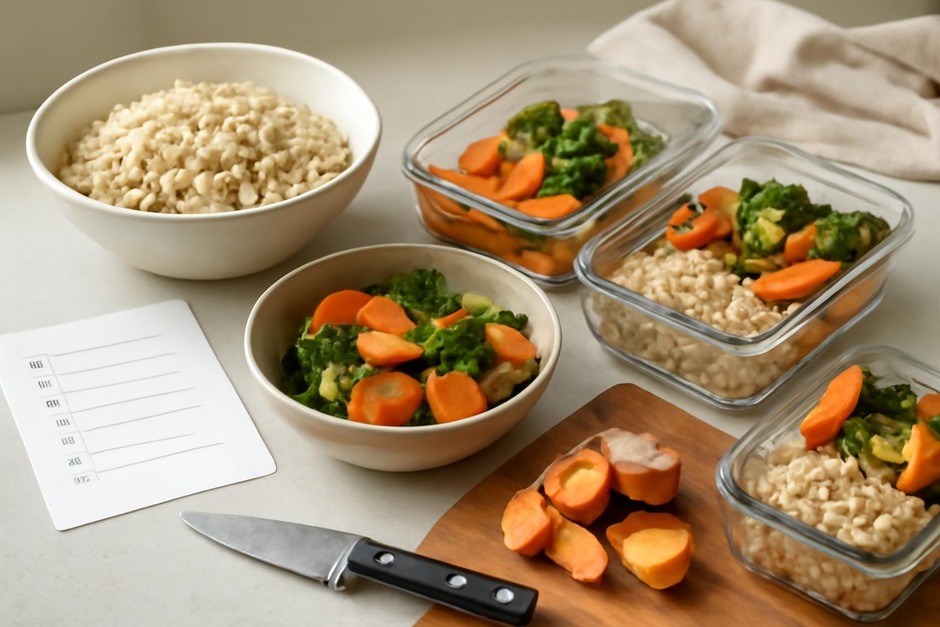
Goal: Convert the whole vegetable into a cooked, ready-to-use component on one day so it’s easy to assemble meals later.
- Select the right vegetable. Choose types that hold texture and flavor after refrigeration—root vegetables, crucifers, squash, and sturdier greens like chard.
- Choose a neutral method. Roast, steam, or braise in a single pan or sheet. Keep seasonings relatively restrained (olive oil, salt, pepper, maybe garlic) so the base can go multiple directions.
- Portion and store. Divide into meal-sized portions while still warm, using shallow containers to cool quickly. Label with a date and plan to use within 3–4 days.
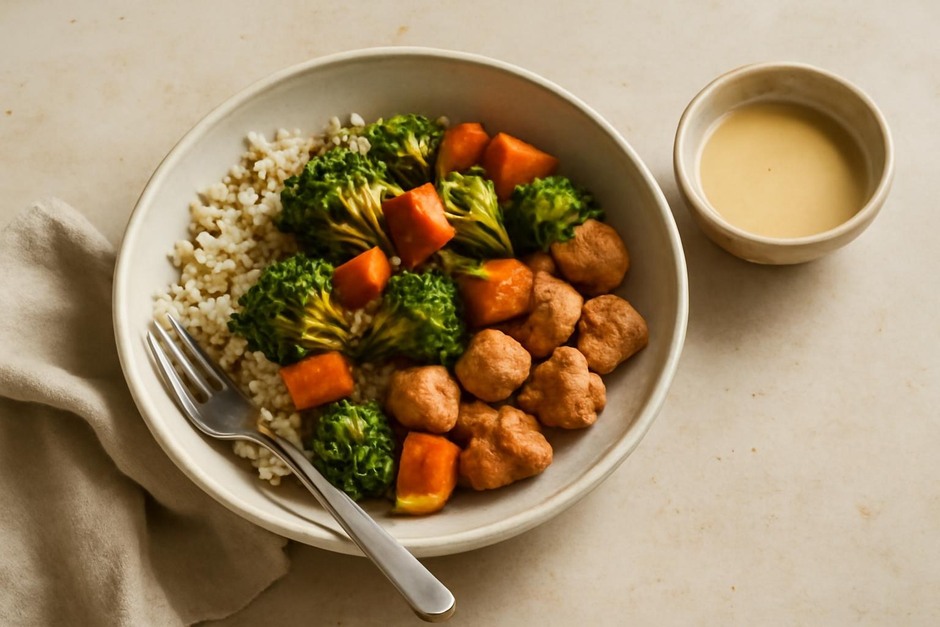
- Rework into meals. Turn portions into: bowl toppings with grains and a vinaigrette, tossed into pasta with a splash of pasta water and cheese, folded into omelettes or frittatas, blended into soups or spreads, or crisped in a skillet for tacos.
- Refresh before serving. Brighten flavors with fresh herbs, acid (lemon or vinegar), or a crunchy element to contrast the cooked texture.
Approach B: Cook Fresh Each Night (Process)
Goal: Keep each plate fresh by cooking only what you need at dinnertime.
- Plan quick methods. Use fast techniques—sauté, char on a hot pan, quick steaming, or raw preparations—so each nightly cook takes 10–20 minutes.
- Prep mise en place. Trim and chop the vegetable once or twice during the week as needed and store in the fridge to speed nightly cooking.
- Vary the flavor profile. Change spices, sauces, or finishing touches each night: Asian-style with soy and sesame, Mediterranean with lemon and capers, or a simple butter-and-herb finish.
- Use minimal leftovers. Any small cooked scraps become a salad ingredient or breakfast addition, reducing waste while keeping variety high.
Comparison: How They Differ
Time and Energy
Batch-cook: Higher upfront time and energy on a single day, then faster assembly later. Good if you prefer a dedicated kitchen session.
Cook fresh: Distributes time across several nights; each night requires active cooking but usually less total reheating.
Flavor and Texture
Batch-cook: Flavors meld and textures soften over time—excellent for stews and purees, less ideal when you want crisp edges.
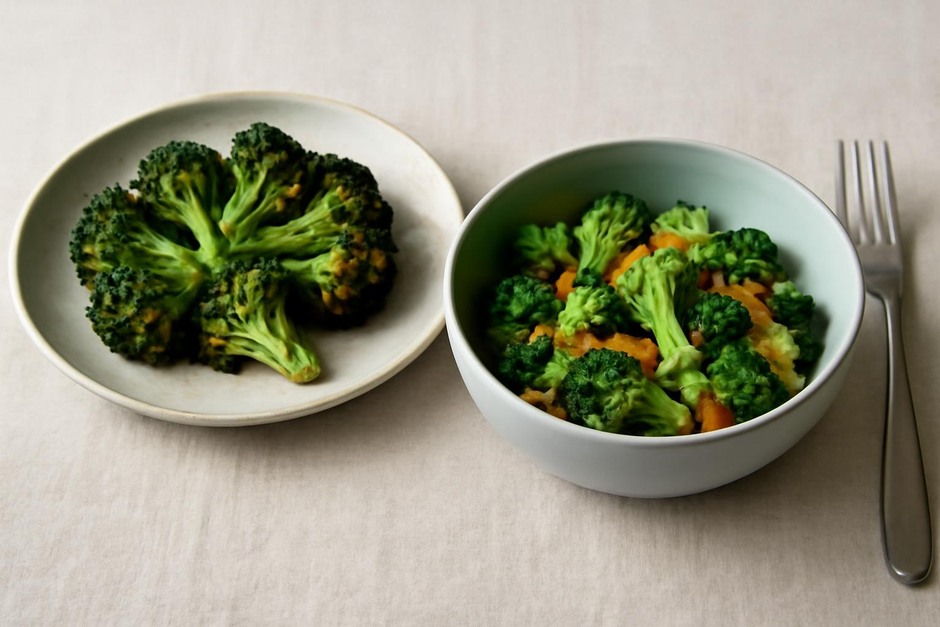
Cook fresh: Better for preserving crispness, contrast, and that just-cooked brightness—ideal for quick sautés and raw preparations.
Variety and Mental Load
Batch-cook: Easier logistics and lower nightly decision fatigue, but requires creativity to avoid monotony.
Cook fresh: Keeps meals feeling different each night, but adds nightly decisions and small prep tasks.
Waste and Storage
Batch-cook: Centralizes storage and can reduce waste if portions are planned well. Some vegetables don’t reheat or rework well and may degrade faster.
Cook fresh: Often minimizes long-term storage but can increase trimming waste unless you use all scraps promptly.
How to Choose
- Pick batch-cook if you have one longer afternoon or evening to prep, your week is busy, you like predictable dinners, or the vegetable becomes better after resting (root veg, many winter squashes, braised greens).
- Pick cook fresh if you value crisp texture and variety, your evenings are flexible, you enjoy small nightly cooking tasks, or the vegetable shines raw or quickly charred (salad greens, asparagus, cherry tomatoes).
- Mix both. Try a hybrid: batch-roast a portion and reserve some raw or prepped but uncooked pieces. Use the cooked part for quick bowls and the fresh part for salads or quick sautés.
- Small experiment. Test one vegetable two ways over a week: batch-cook for three nights, cook fresh for the other two, and note which meals satisfy you more.
Review
In my studio tests, batch-cooking saved evening energy and made single-pot meals effortless, while cooking fresh kept dinners lively and texturally exciting. The right approach depends on your calendar, the vegetable, and how much you enjoy evening cooking. Start with a hybrid experiment: batch a portion, leave some fresh, and see which nights you reach for which. That quick experiment usually reveals your kitchen’s natural rhythm and makes planning the next week easier.