A Four-Step Routine for Reliable Weeknight Meals
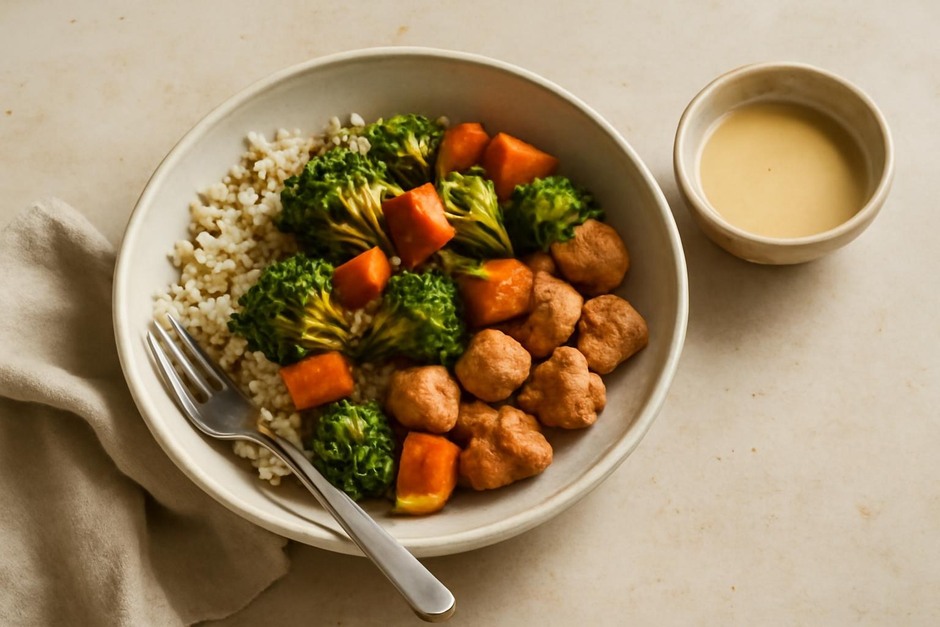
On busy evenings it helps to think of dinner as a small, repeatable project rather than a one-off production. When you use the same reliable pattern, you stop wasting time deciding and start enjoying the cooking. The following observation-led routine organizes a dinner into four clear parts—base, protein, vegetables, and sauce—so you can assemble a satisfying meal in 20–35 minutes most nights.
1. Pick a speedy base
A base gives the meal structure and stretches other ingredients. Choose something that cooks quickly or that you can keep on hand prepped in advance.
- Quick grains: couscous, quick-cooking rice, bulgur, or instant polenta come together in 10–15 minutes.
- Pasta: a small shape like orzo, penne, or short spaghetti cooks fast and pairs with almost any sauce.
- Prepped staples: leftover roasted potatoes, cooked whole grains from the weekend, or canned beans are time-savers.
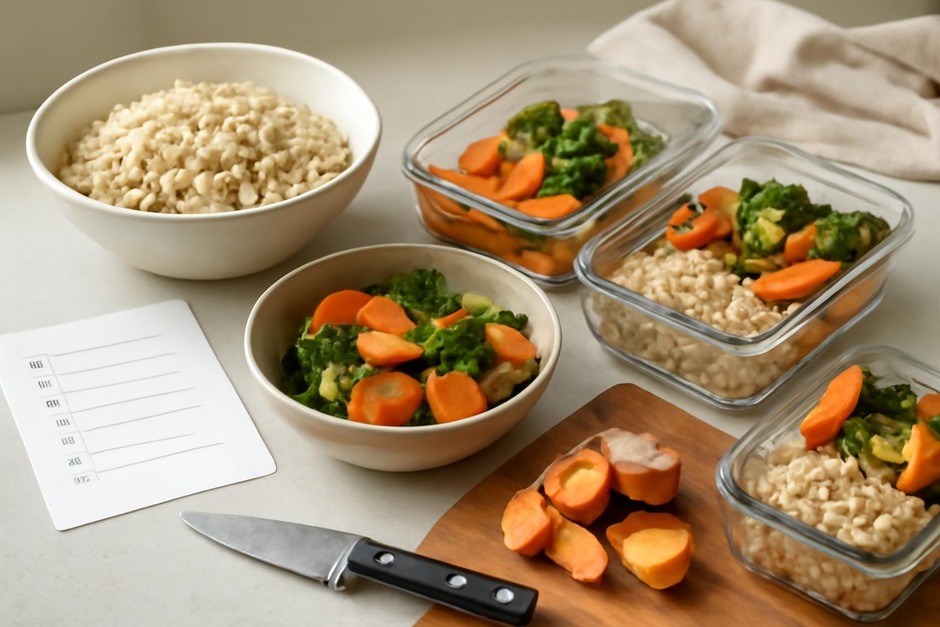
Tip: if you make a batch of grain on Sunday, divide it into portions for the week. Reheated grain is the quickest start to a weeknight dinner.
2. Add a quick protein
Protein turns a bowl or plate into a complete meal. For speed, favor options that need little attention or that take well to high heat.
- Eggs: fried, poached, or stirred into a quick shakshuka — eggs add richness and cook in minutes.
- Tofu or tempeh: cube and pan-fry until golden; they absorb flavors and are ready in 6–10 minutes.
- Thin cuts of meat or fish: chicken tenders, thin salmon fillets, or shrimp cook very fast—season and sear over high heat.
- Canned beans and lentils: heat and season; they’re ready instantly and add fiber and satiety.
For beginners: start with eggs or canned beans while you build confidence with searing and timing for meat or fish.
3. Build seasonal vegetables
Vegetables give texture, color, and freshness. Use what’s in season for the best flavor and value—this is also where a dish becomes interesting every week.
- Spring: asparagus, peas, baby greens—tossed in at the end or quickly sautéed.
- Summer: tomatoes, zucchini, bell peppers—bright, quick-roasted, or pan-seared.
- Autumn/Winter: brassicas, root vegetables, squash—roast or braise while the base cooks.
Practical rhythm: start vegetables that take longer (roasting or braising) first, and add quick ones (spinach, spring onions) in the last few minutes. A single hot pan can handle protein and vegetables in sequence: cook protein, rest it on a plate, then use the same pan to sauté the veg—this preserves flavor and cuts cleanup.
4. Make a simple sauce and finish
A small sauce pulls the dish together. It can be as basic as olive oil and lemon, a jarred pesto stirred through, or a quick pan sauce from the browned bits left after cooking protein.
- Pan sauce: deglaze with a splash of wine or stock, stir in a knob of butter, and add chopped herbs.
- Vinaigrette: whisk 3 parts oil to 1 part acid (vinegar or lemon), a teaspoon of mustard, salt, and pepper.
- Quick cream or yogurt finish: stir plain yogurt or crème fraîche with lemon and herbs for a cooling contrast.
Finish with texture: toasted nuts, seeds, or a sprinkle of cheese add crunch and flavor. Fresh herbs brighten a meal just before serving.
Repeatable short routine (aim for 20–35 minutes):
- Put your chosen base on to cook or reheat prepped grain.
- Prep vegetables (wash, chop) and start those that need longer in the oven or pan.
- Cook the protein quickly and set aside; use the same pan for quick-sauté veg.
- Stir the base, return protein to the pan if desired, add sauce, and finish with herbs or nuts.
This sequence becomes muscle memory within a few tries. Choose one new flavor element each week—a spice blend, a jarred condiment, or a different herb—and the routine will keep dinners familiar while staying interesting.
Measured conclusion: Treating weeknight cooking as a repeatable four-step routine removes decision friction and reduces waste. The pattern—base, protein, vegetables, sauce—lets you adapt to seasons, use pantry staples, and build confidence. Start with simple components, repeat the short routine a few times, and you’ll find weeknight dinners become reliably satisfying and less stressful.